
Belgrade, a City That Keeps Becoming
Where the Sava meets the Danube, history remains visible in the streets — and the city continues to reinvent itself.
Photo: Björn Söderqvist from Taastrup, Denmark / Wikimedia Commons · CC BY-SA 2.0 · resized for preview
From Singidunum to Belgrade
An introduction to the city’s origins, turning points and cultural layers.
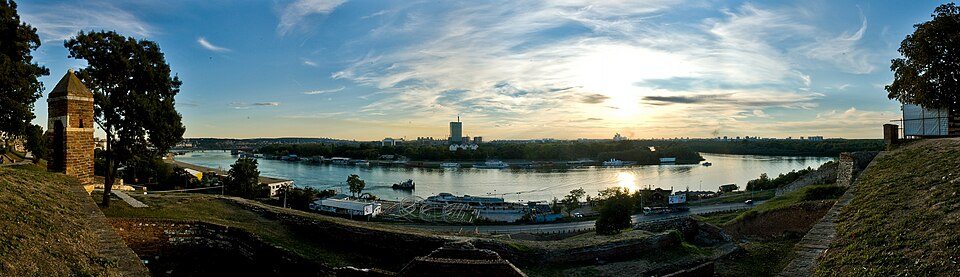
Photo: Björn Söderqvist from Taastrup, Denmark / Wikimedia Commons · CC BY-SA 2.0 · resized for preview
At the meeting of the Sava and the Danube, Belgrade has spent centuries looking in more than one direction. Its streets carry traces of empires, kingdoms and a modern republic, but the city is more than the sum of its turning points. It is a place of neighbourhood rituals, busy markets, conversations that last longer than planned, and a relationship with the rivers that has never stopped shaping daily life.
Before Belgrade Had Its Name
The high ground above the river confluence offered people a place to live and watch over the surrounding plains long before the city took its present form. Archaeological finds at the fortress site point to habitation in prehistoric times. Celtic groups, especially the Scordisci, later settled in the wider area and the name Singidunum entered the story of the place. The earliest settlement cannot simply be equated with the walls visitors see at Kalemegdan today: archaeological work places Celtic Singidunum in the wider area, including present-day Karaburma.
Under Roman rule, Singidunum became an important military and urban centre on the Danube frontier. A legionary camp occupied the ridge where the fortress would later rise, while roads, trade and civilian life developed around it. Parts of the Roman fortification can still be identified among the many later layers. This is one of the keys to understanding Belgrade: each generation has built on a site already shaped by people before it.
A Medieval City at the Crossroads
After the Roman period, the settlement passed through centuries of change under Byzantine, Bulgarian, Hungarian and other rulers. Slavic settlement helped shape the language and culture of the region, while the name Belgrade — the “white city” — became part of the historical record. The two rivers made the site valuable, but its location also placed it directly in the path of competing powers.
For a time in the early fifteenth century, under Despot Stefan Lazarević, Belgrade served as a Serbian capital. The fortified town grew into an administrative, commercial and cultural centre. The walls protected a living city, not merely a garrison. The fortress and its outlook over the rivers still make this period easier to imagine, even though the structures standing today belong to different centuries.
Ottoman Rule, Habsburg Wars and a New Serbian Capital
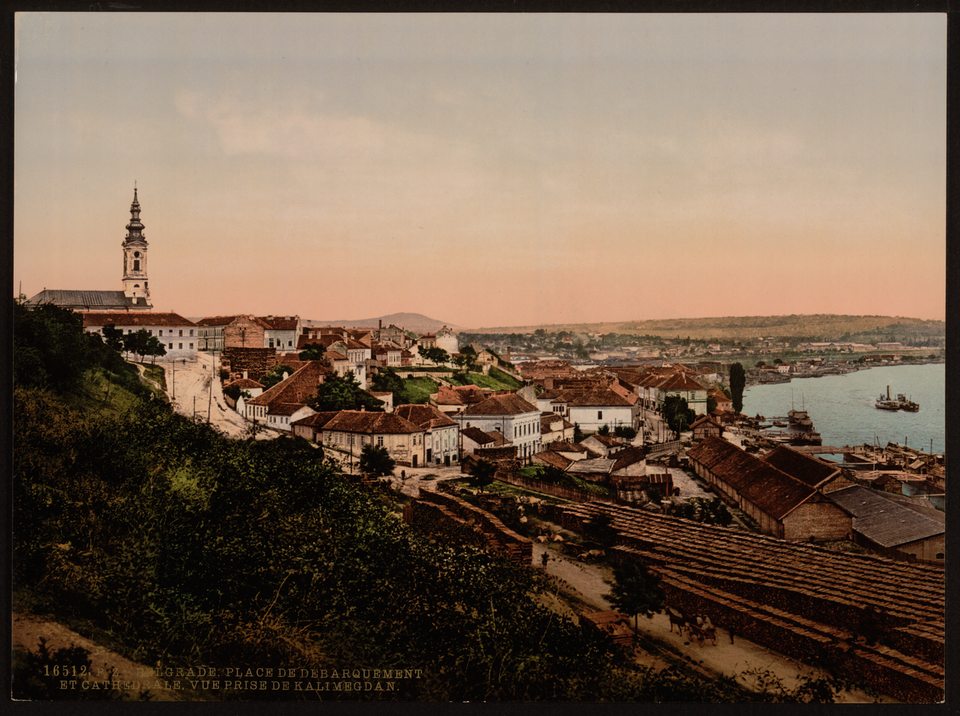
Photo: Wikimedia contributor / Wikimedia Commons · Public domain · resized for preview
The Ottomans captured Belgrade in 1521. The city became an important centre within their empire, with new streets, places of worship, markets and ways of life. It later changed hands more than once in wars between the Ottoman and Habsburg empires. Fortifications were rebuilt and neighbourhoods changed; Belgrade’s material history reflects both coexistence and conflict. Surviving Ottoman features within the fortress include the fountain of Mehmed Pasha Sokolović and the tomb of Damat Ali Pasha.
In the nineteenth century, the Serbian uprisings and gradual autonomy opened a different chapter. Belgrade became the capital of the Principality of Serbia in 1841. Institutions, schools, newspapers and public buildings took shape as the city expanded beyond its older quarters. Its transformation was gradual: the atmosphere of the old bazaar did not disappear overnight, and new European urban forms appeared alongside older streets and customs.
Railways, Boulevards and Modernisation
The later nineteenth and early twentieth centuries brought the infrastructure of a modern capital. A railway station and bridge connected Belgrade to wider networks in 1884; water supply, electric lighting and electric trams followed in the 1890s. New civic buildings, avenues and commercial streets expressed the ambitions of a growing city. Knez Mihailova became one of the clearest places to see this shift, while the fortress gradually took on a new role as a public park and a place for walking and reflection.
Modernisation & the Twentieth Century
The city expanded, changed capitals and met the upheavals of a new century.
The Twentieth Century: Growth and Rupture
Belgrade suffered heavily during the First World War. In 1918 it became the capital of the new Kingdom of Serbs, Croats and Slovenes, later Yugoslavia, drawing people and institutions from a much wider region. The interwar city developed its cultural life and architecture even as political tensions grew. The Second World War brought bombing, occupation, persecution and further destruction. The city was liberated in October 1944, but its wartime experiences remain part of the memory held by museums, monuments and families.
After 1945, Belgrade became the capital of socialist Yugoslavia. New Belgrade rose across the Sava, with wide boulevards, residential blocks and public institutions that expressed a different idea of city life. The city also became a centre of diplomacy, culture and international exchange; in 1961 it hosted the first summit of the Non-Aligned Movement. This postwar layer is as important to Belgrade’s identity as its older fortress and nineteenth-century streets.
The breakup of Yugoslavia in the 1990s brought conflict in the region, sanctions and economic hardship, including devastating hyperinflation. Belgrade was bombed during the NATO air campaign of 1999. Political change in 2000 and Serbia’s independence in 2006 opened further chapters. A serious account of the city should leave room for these difficult histories rather than treating them as a brief interruption between attractive landmarks.
A Living City, Not a Museum
A closer look at how Belgrade lives and changes now.
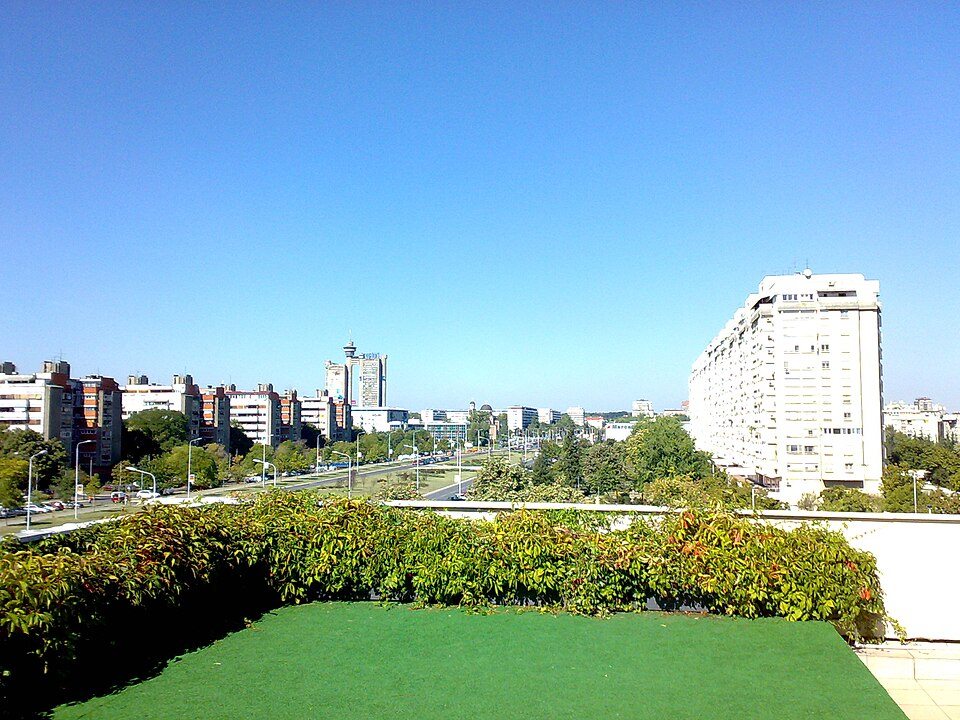
Photo: Bjoertvedt / Wikimedia Commons · CC BY-SA 3.0 · resized for preview
Today Belgrade is Serbia’s capital and a city of striking contrasts. Around the historic core, older buildings, busy shopping streets, small courtyards and cultural institutions sit close together. Across the Sava, New Belgrade’s broad avenues and modernist blocks now share the landscape with offices, apartments and contemporary public spaces. Zemun retains a different street pattern and riverside character, recalling the time when it developed on the opposite side of a political border.
The rivers are still essential to the way the city looks and moves. The view from Kalemegdan opens toward the meeting of the Sava and Danube; paths and quays bring people down to the water; bridges connect districts that once grew separately. A visitor can spend one day among museums and nineteenth-century façades, another following the Danube at Zemun or the Sava through central Belgrade, and another discovering markets, parks and ordinary neighbourhood life.
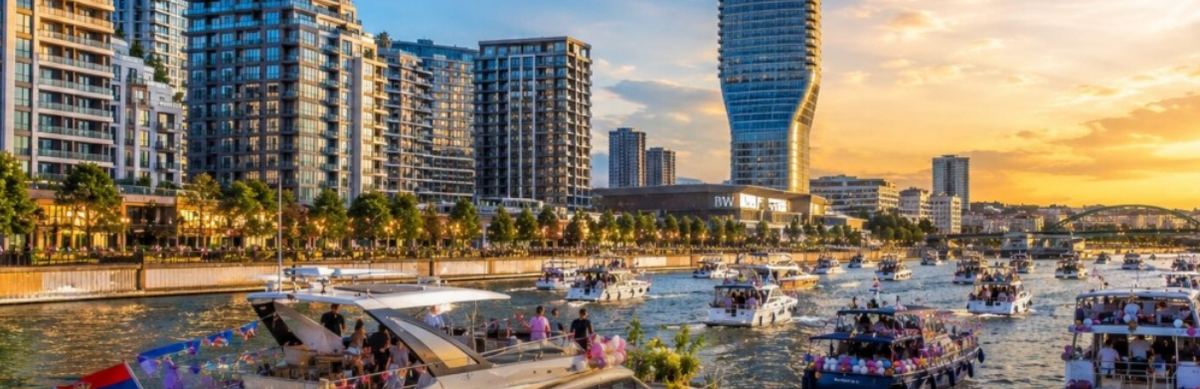
Belgrade is also changing visibly. New construction and renewed riverfront areas have altered parts of its skyline, while questions of heritage, public space and the pace of development remain present in everyday discussion. Its cultural life extends from established museums and theatres to contemporary art, music and independent venues. Food moves between family recipes, old-style kafanas and new interpretations. Evenings can be quiet and local or full of the energy for which the city is known.
No single viewpoint captures all of this. The best introduction is to allow time for the city’s layers to meet: to see the fortress before entering its streets, cross the river to understand New Belgrade and Zemun, and notice the life that happens between the named attractions. That is the Belgrade we want guests to discover: historical, contemporary, welcoming and still in motion.
Belgrade, One Story at a Time
Move from this introduction into the city’s places, culture and daily life.
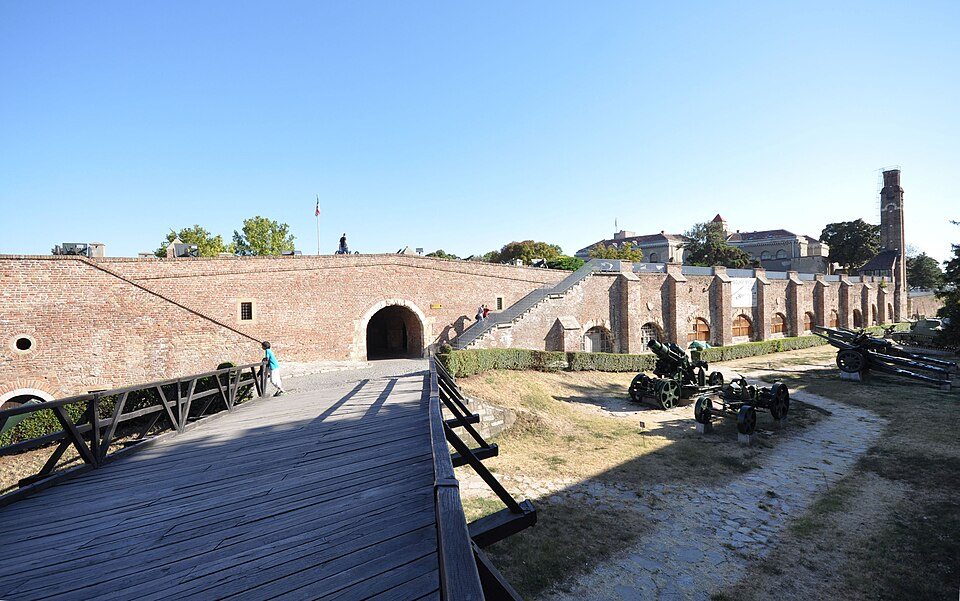
Photo: Jorge Láscar / Wikimedia Commons · CC BY 2.0 · resized for preview
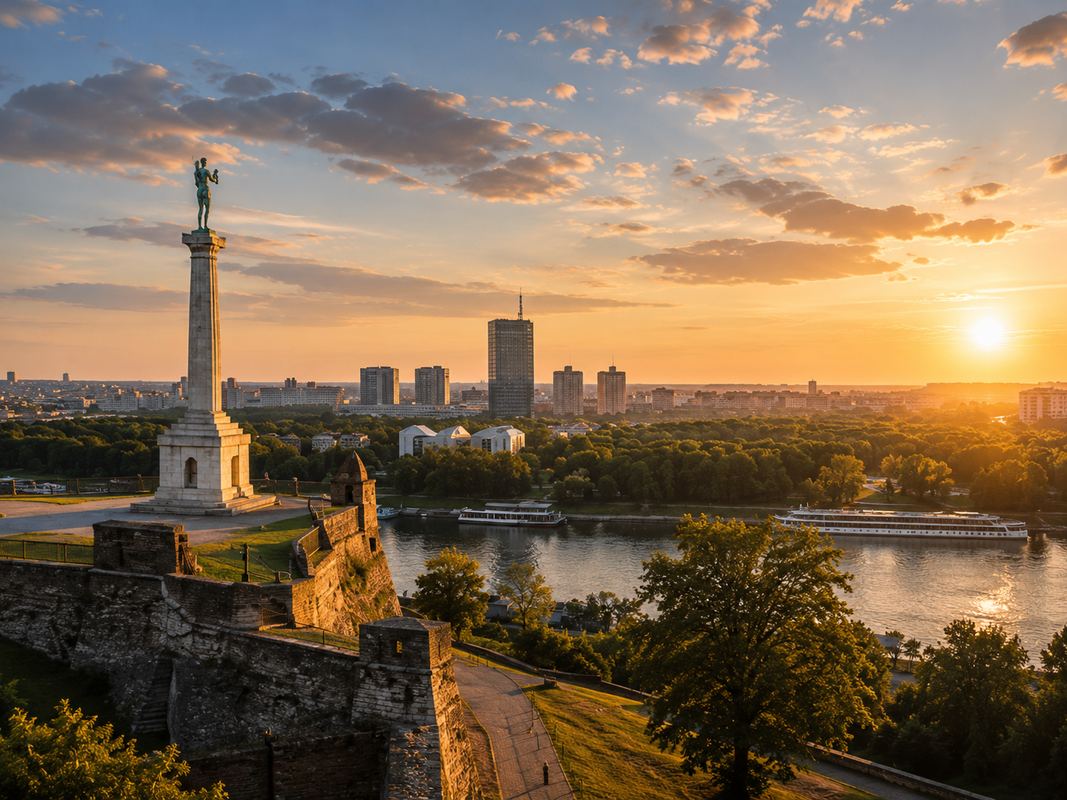
Belgrade Fortress & Kalemegdan
Stand above the confluence and read the city through its walls. Roman remains, medieval defences, later bastions and the surrounding park reveal how the same location served different powers and, eventually, became one of Belgrade’s most loved public spaces.
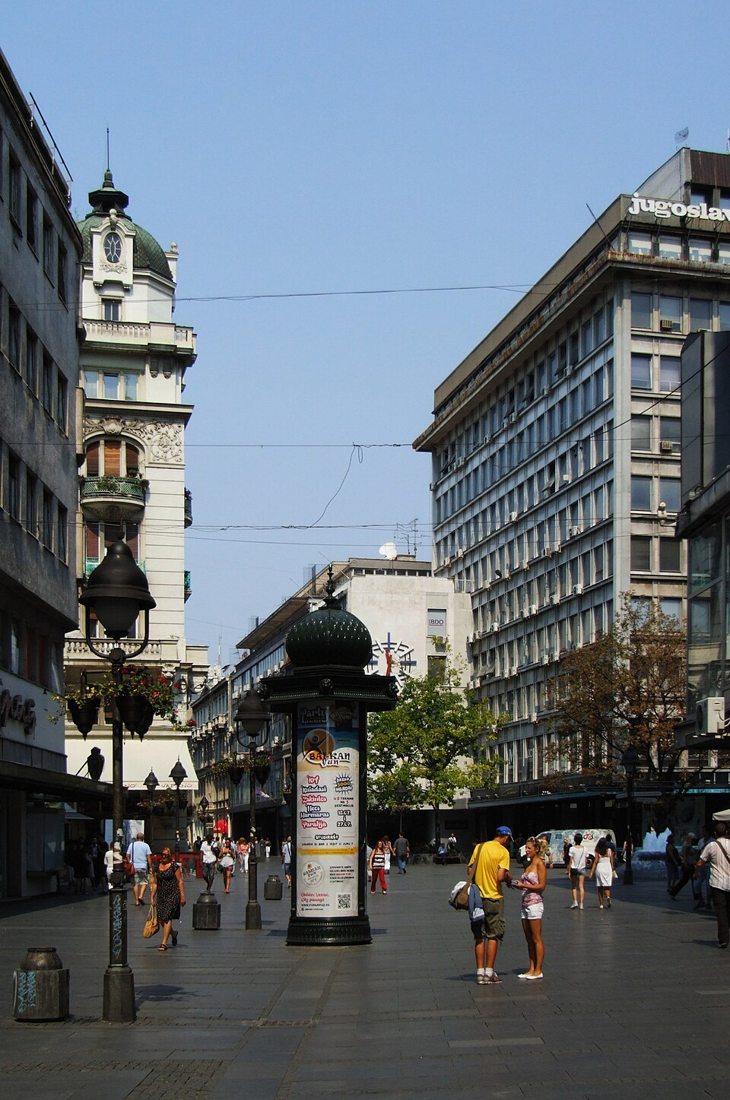
Photo: Marcin Szala (Pudelek) / Wikimedia Commons · CC BY-SA 3.0 rs · resized for preview
Knez Mihailova & the Old Town
Walk the pedestrian street between Republic Square and Kalemegdan. Its nineteenth-century buildings, shopfronts and side streets show the emergence of a modern capital, while small detours lead to galleries, courtyards and older corners of the city.
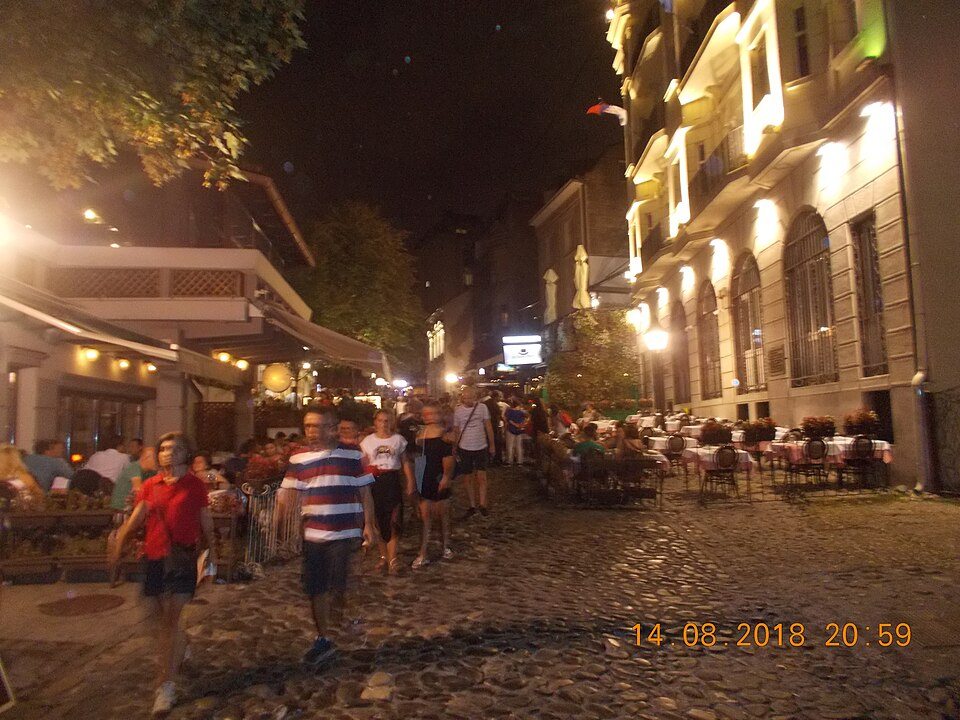
Photo: Rudolph.A.furtado / Wikimedia Commons · CC0 · resized for preview
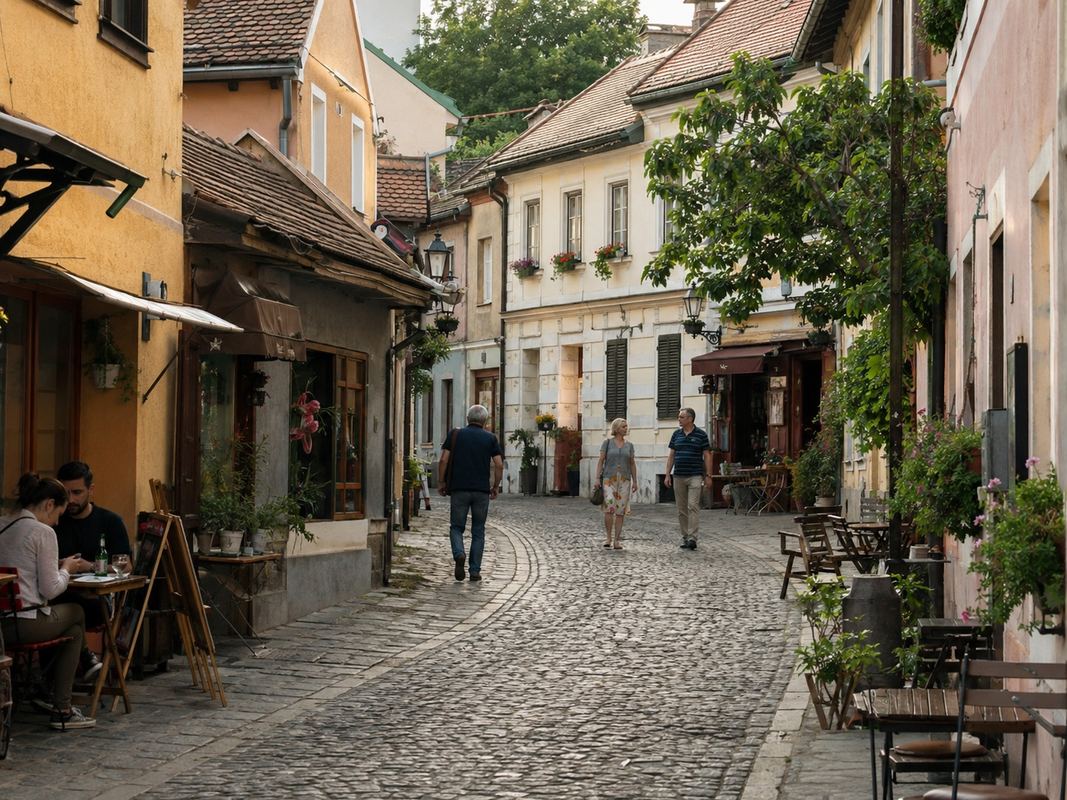
Skadarlija
Skadarlija’s cobbled street recalls the artistic and kafana traditions associated with Belgrade’s bohemian life. The area is popular and lively; beyond its familiar image is a story of writers, performers and the social role of gathering around a table.
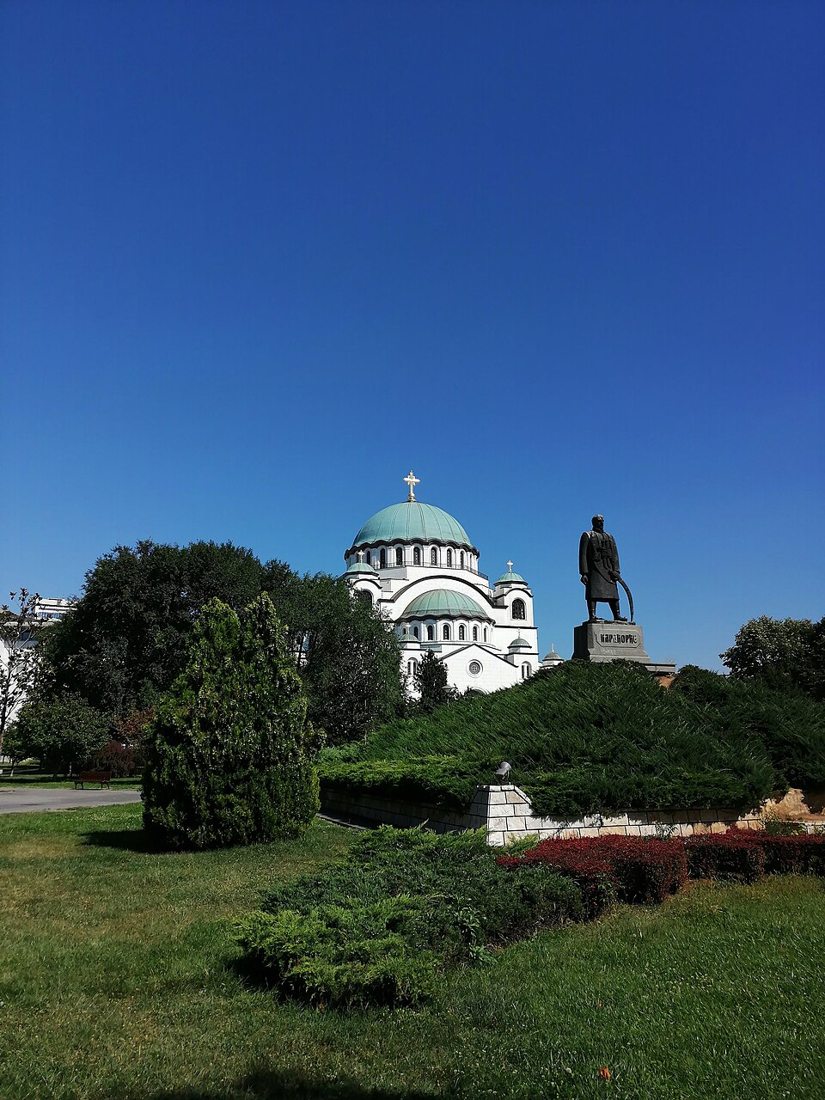
Photo: Miljan Simonović / Wikimedia Commons · CC BY-SA 4.0 · resized for preview
The Church of Saint Sava
The great Orthodox church on Vračar is a major feature of Belgrade’s skyline. Its architecture and setting invite a longer look at the place of religious heritage in the modern city. Check worship and visiting arrangements before entering.
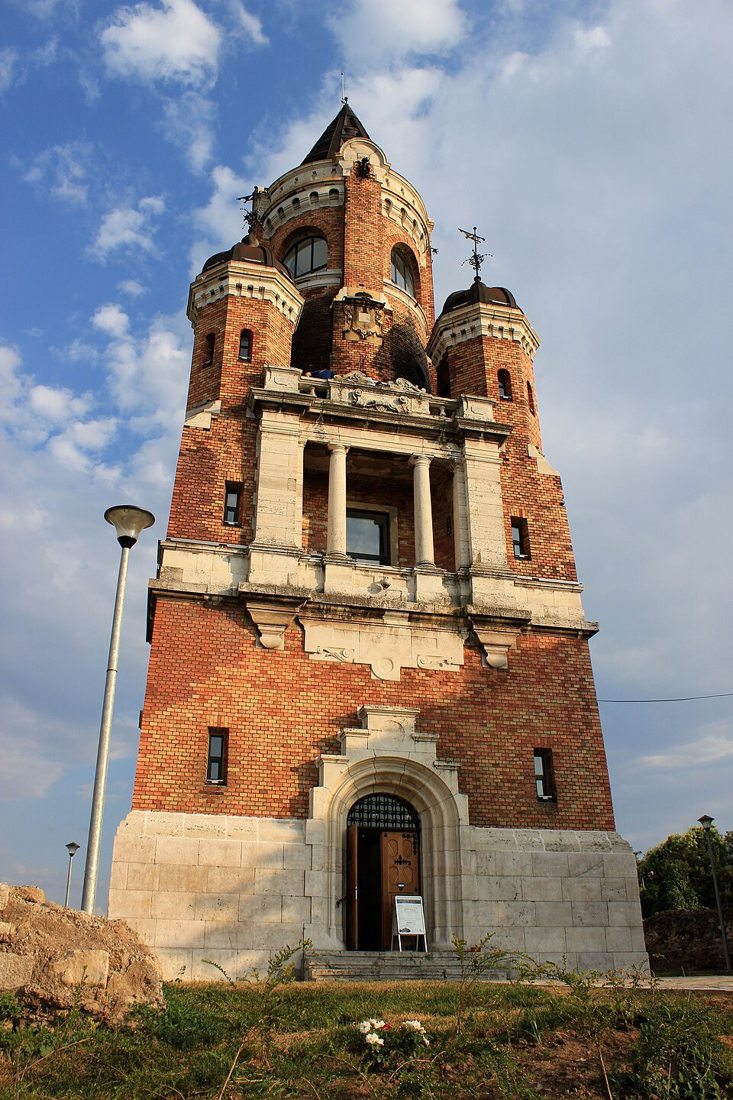
Photo: Julian Nyča / Wikimedia Commons · CC BY-SA 3.0 · resized for preview
Zemun & Gardoš
Across the Danube, Zemun offers a different scale and rhythm: streets climbing toward Gardoš, a landmark tower and a long riverside promenade. Its distinctive history makes it a useful counterpoint to the old centre of Belgrade.
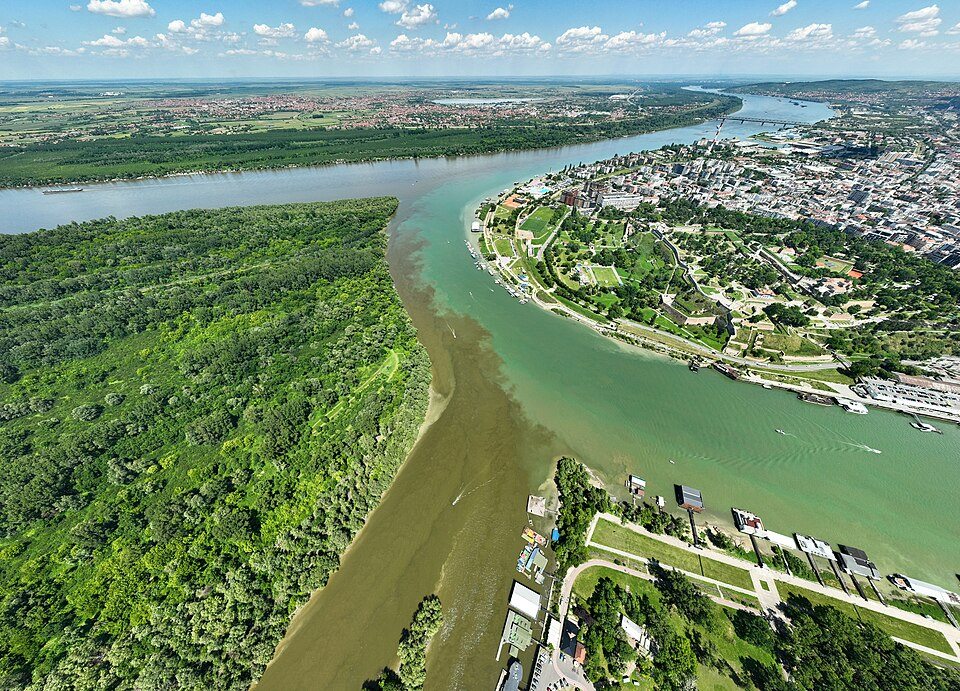
Photo: Petar Milošević / Wikimedia Commons · CC BY-SA 4.0 · resized for preview
The Sava, the Danube & the Confluence
The two rivers have defined the city’s position and its daily life. Follow them from a fortress viewpoint to a riverside path, a bridge or an arranged boat trip. The water connects neighbourhoods as surely as it separates their histories.
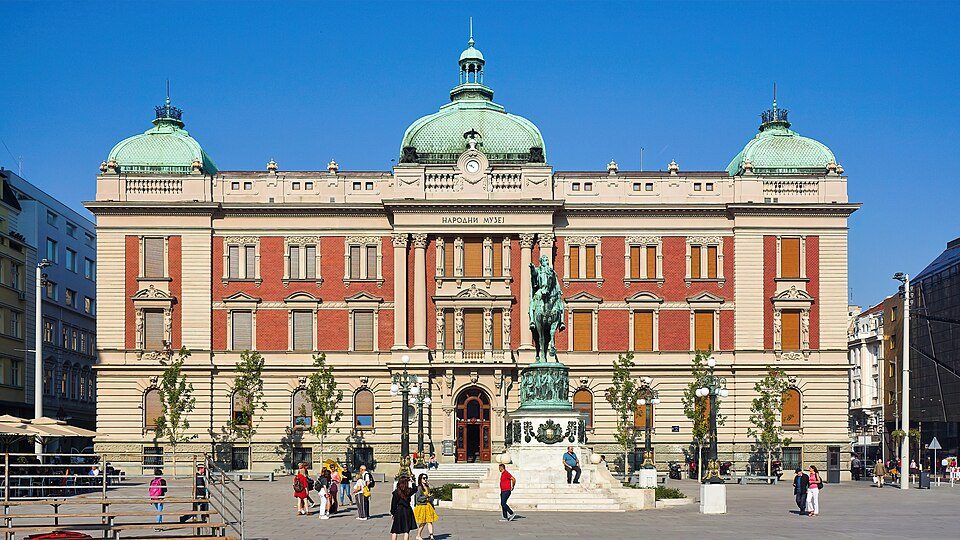
Photo: Simon Legner ( User:simon04 ) / Wikimedia Commons · CC BY-SA 4.0 · resized for preview
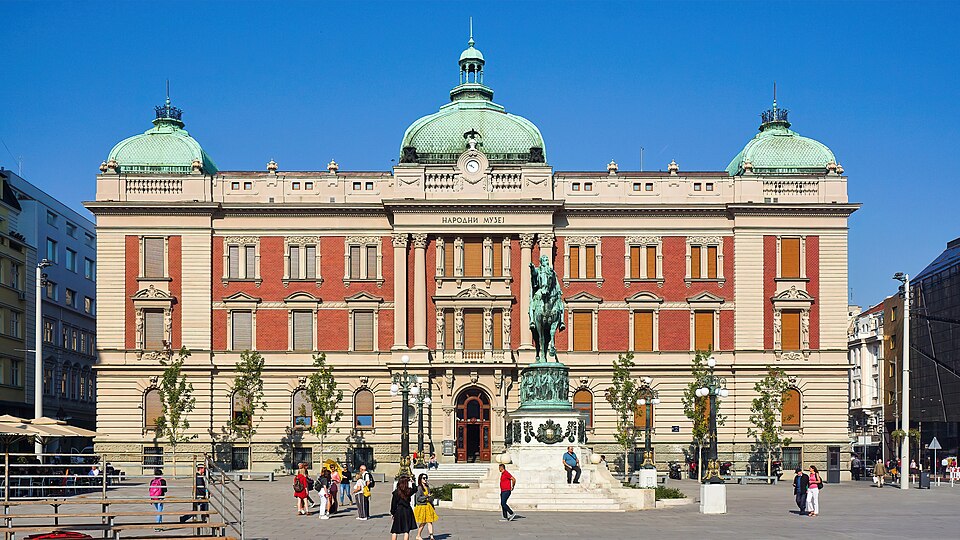
Museums, Culture & Architecture
The National Museum, Nikola Tesla Museum, Ethnographic Museum and Museum of Yugoslavia each open a different chapter. Historic façades, modernist buildings and contemporary creative spaces continue that story beyond their doors. Verify tickets and current exhibitions with each institution.
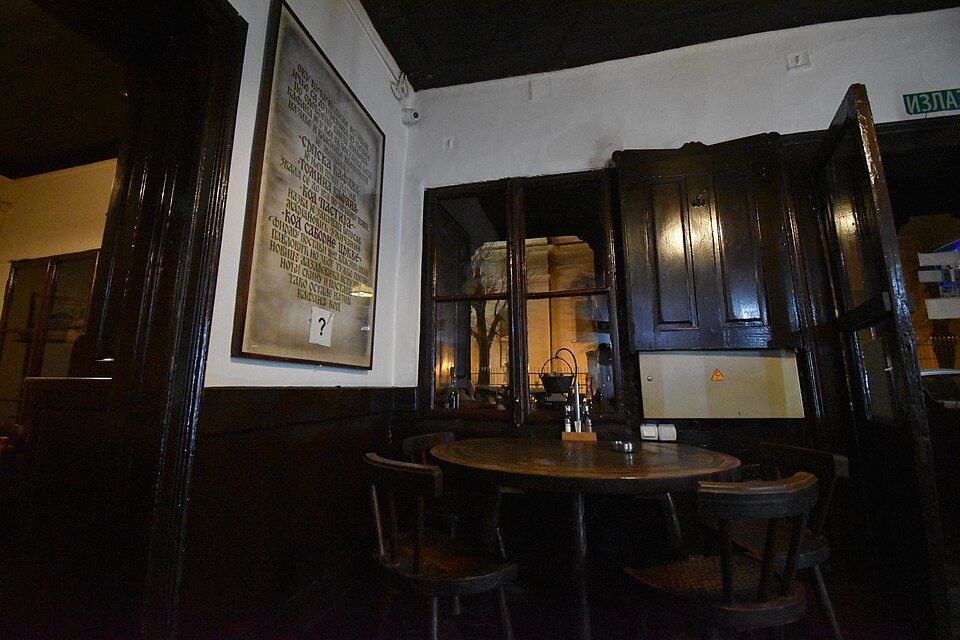
Photo: Fred Cherrygarden / Wikimedia Commons · CC BY-SA 4.0 · resized for preview
Gastronomy & Kafana Culture
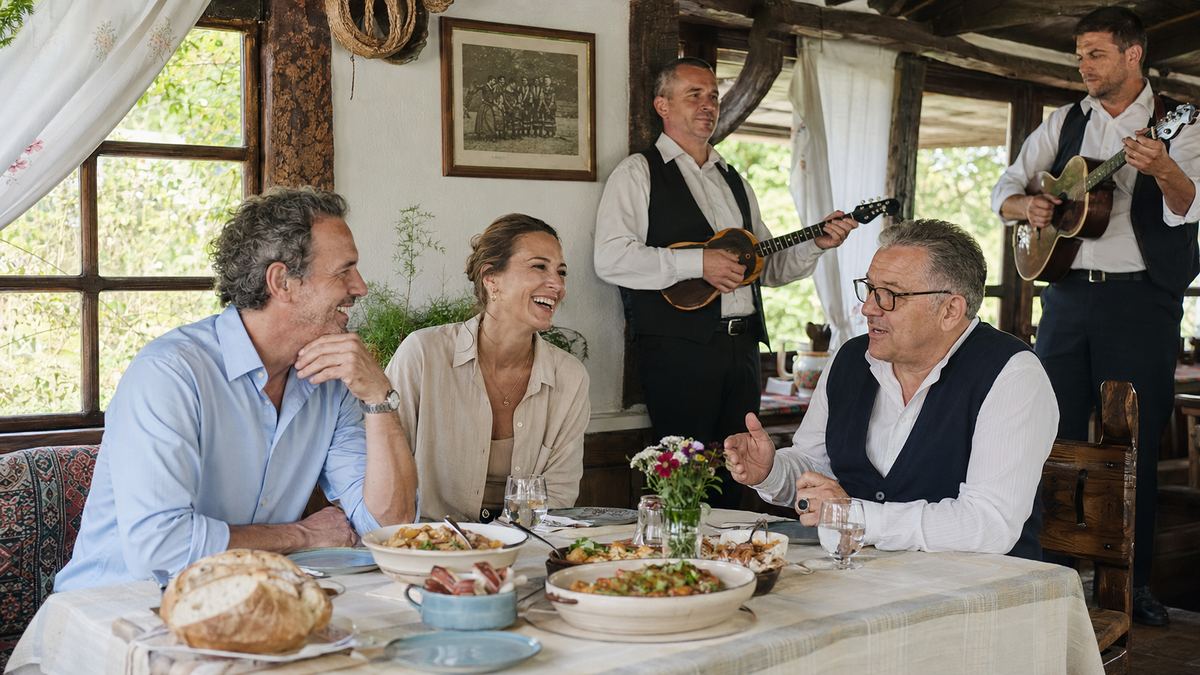
Food is a way into the city’s social life: traditional dishes, bakeries, produce markets and tables where people take time to talk. We will add specific restaurants only after confirming their current details and rights to use their photographs.
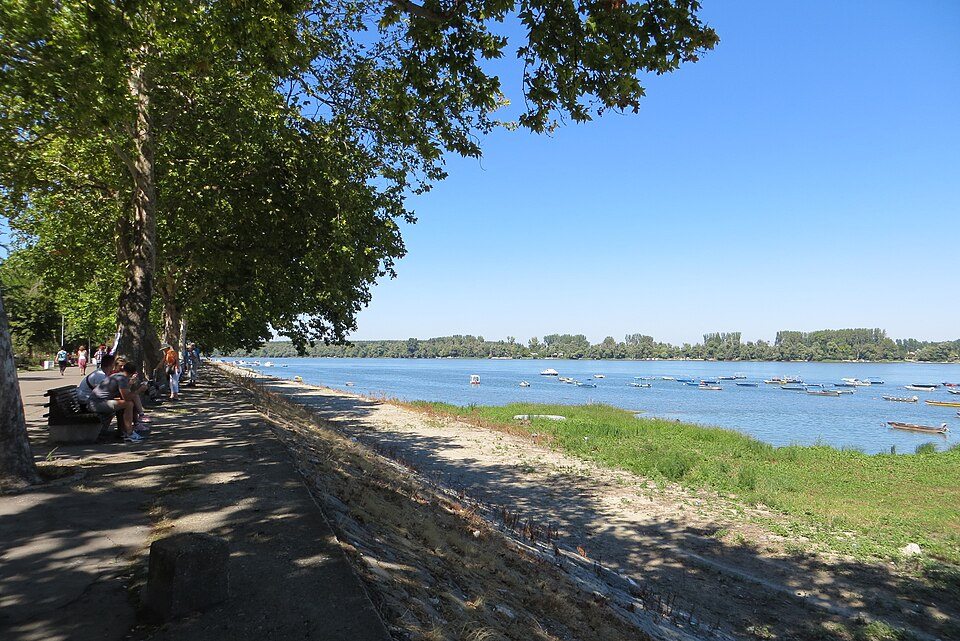
Photo: Mister No / Wikimedia Commons · CC BY 3.0 · resized for preview
Belgrade After Dark
An evening might begin with a walk by the river, a performance or dinner, then continue into bars and music venues. Belgrade’s nightlife is varied and changes quickly, so recommendations should be checked close to the date of travel.
Photo: Bjoertvedt / Wikimedia Commons · CC BY-SA 3.0 · resized for preview
Beyond the Familiar
Make room for Tašmajdan, Ada Ciganlija, neighbourhood markets and the different architectures of New Belgrade. These places give the landmarks their context and let a visitor see how Belgraders actually use their city.
Follow Your Interests
Separate guides bring more detail on history, traditions, neighbourhoods and nightlife.
Museums & Galleries
Explore places, stories and practical visiting ideas.
EXPLORE →Photo: Simon Legner ( User:simon04 ) / Wikimedia Commons · CC BY-SA 4.0 · resized for preview
Events Worth Planning Around
Major cultural events can change venues and dates; check the organiser’s current programme.
BEMUS
Classical music and international performers
Official event informationBITEF
International theatre and experimental performance
Official event informationFEST
International cinema across Belgrade venues
Official event informationBelgrade Dance Festival
Dance companies and performances across the city
Official event informationFurther Reading
Background references for the BLH introduction.
Make Belgrade your own.
Tell us which stories and neighbourhoods you would like to explore.
PLAN YOUR JOURNEY